Union City highlight
Growing residential base
Union City has grown from about six thousand six hundred residents in 1960 to over seventy thousand in 2020, reflecting decades of sustained residential development and East Bay population expansion.
Union City's population trajectory mirrors the East Bay's post-World War II residential expansion. When Alvarado and Decoto incorporated as Union City in 1959, the combined population was roughly six thousand six hundred residents. Over the following decades, suburban growth, improved transportation connections including BART's arrival in 1972, and the proximity to Silicon Valley employment created conditions for steady residential expansion. By 1980, the city had grown to approximately thirty-nine thousand residents; by 2010, to nearly seventy thousand; by 2020, to over seventy thousand—growth that has slowed but remains positive as regional housing constraints limit further expansion.
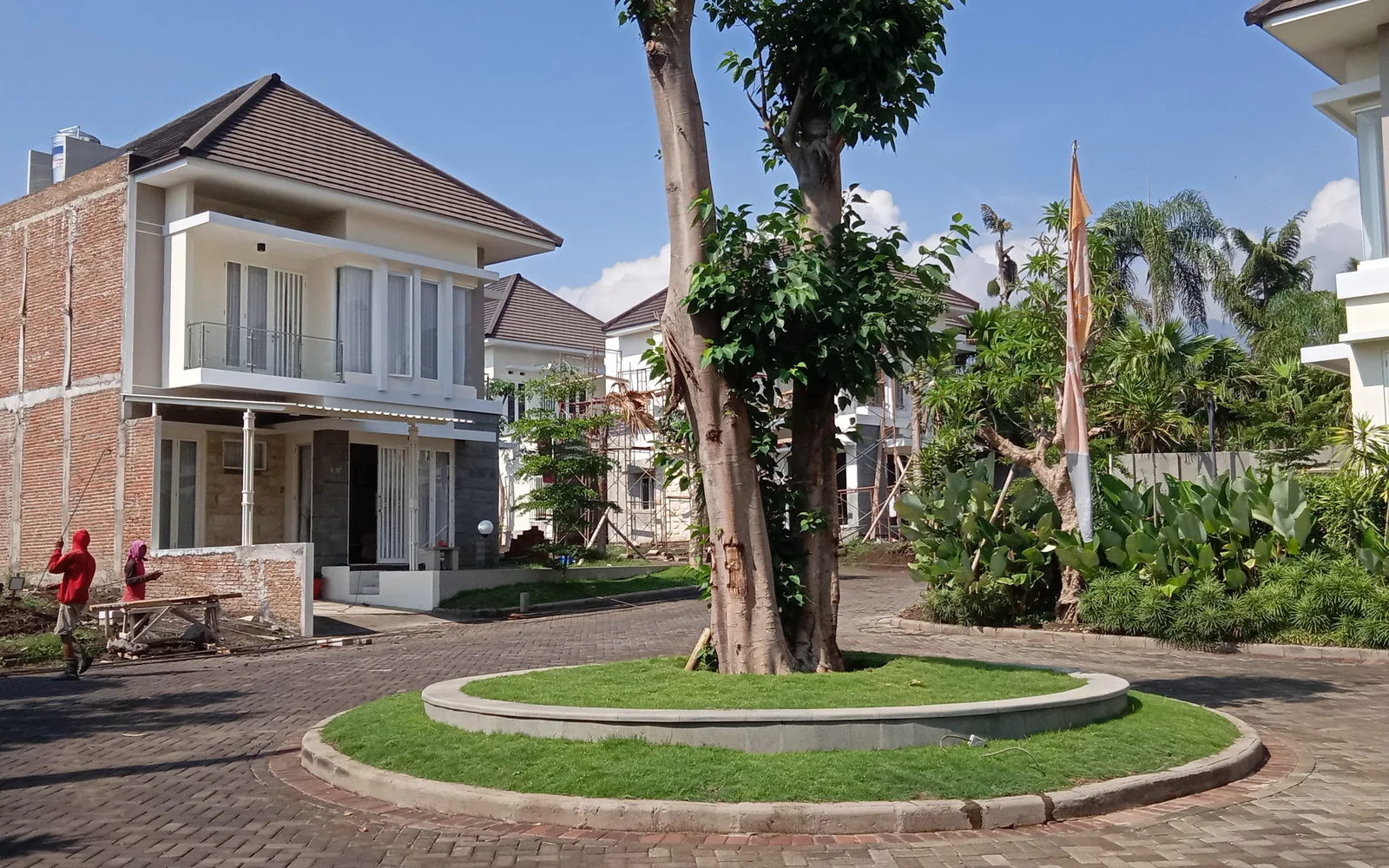
This growth brought new neighborhoods, shopping districts, schools, and employment centers. Single-family homes, multi-family apartment complexes, and townhouse developments spread across former agricultural and industrial land. New parks, libraries, and civic facilities were built to serve expanding populations. BART's Union City station became a focus for downtown revitalization and transit-oriented development, drawing office tenants and residential towers seeking proximity to the station.
Fast-growing residential communities face the same household economics as older ones, but with heightened stakes for younger families. A homeowner with a mortgage, young children, and a new career faces the prospect that death could force the family from the house and disrupt the children's schooling. A term policy matching the mortgage term and the years until the youngest child reaches adulthood addresses that specific risk, keeping the premium affordable at younger ages when income is modest.